

Introduction
Welcome to the digital era, where a captivating, up-to-date website is vital for any business or individual aiming to make a lasting impression online.
Your website is a virtual representation of your brand and often serves as the initial point of contact for prospective customers or clients. However, technology and design trends move quickly in this fast-paced environment, making what was once cutting-edge a few years ago outdated and ineffective today.
This article will explore five unmistakable signs that your website needs a revamp to remain competitive in the ever-evolving online landscape. Let’s dive in!
1. Sluggish Loading Times: Need for Speed
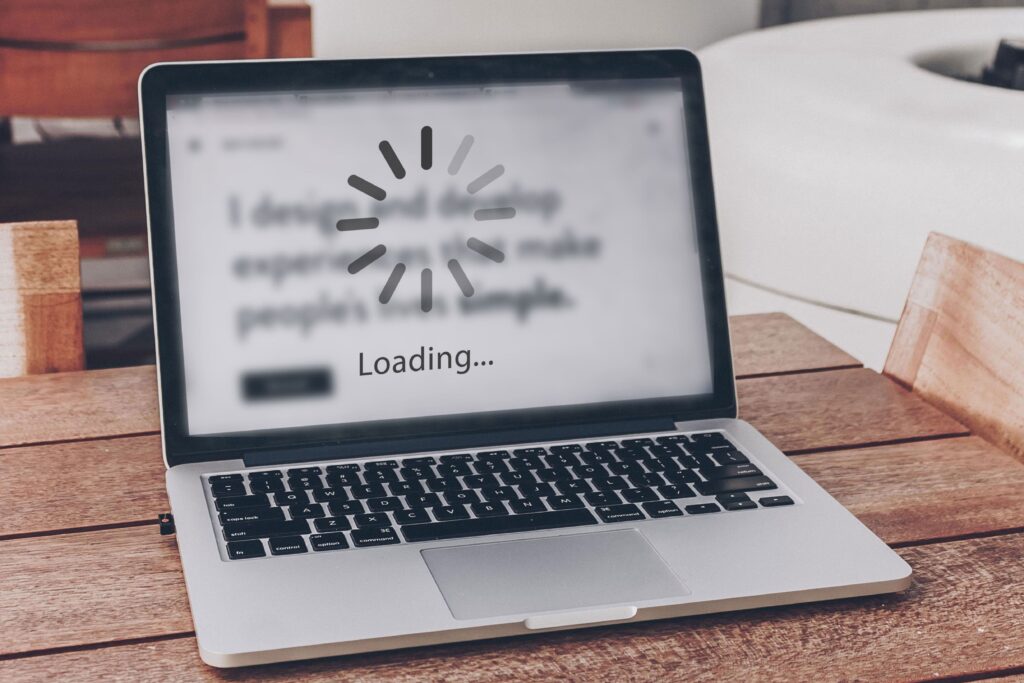
One of the most glaring signs that your website is stuck in the past is its sluggish loading times. In today’s fast-paced world, people expect information at their fingertips, and if your website takes ages to load, they won’t hesitate to hit the back button and explore other options.
Surveys indicate that almost 53% of users will abandon a website if it fails to load within three seconds. A high bounce rate hurts your search engine rankings and leaves a negative impression with visitors. Fortunately, there are ways to tackle this issue head-on.
Optimizing various aspects is crucial to ensure your website loads with lightning speed. Start optimizing your images, ensuring they are appropriately sized and compressed without sacrificing quality. This reduces their file sizes and helps your pages load faster. Additionally, consider minifying your website’s code—removing unnecessary characters and spaces—to streamline its delivery to visitors’ browsers.
2. Non-Responsive Design: Embrace Mobile-Friendliness
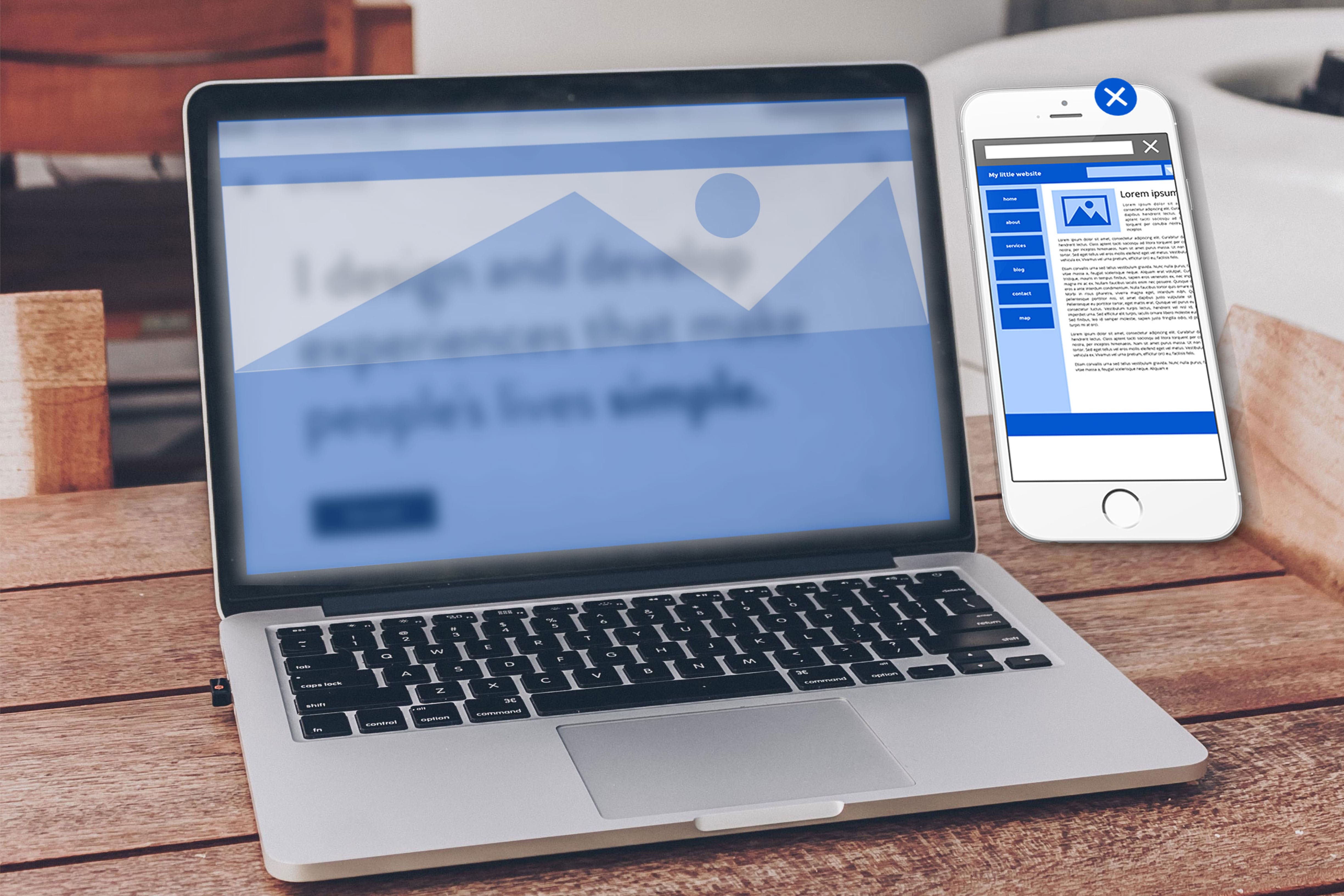
In recent years, the rise of smartphones and tablets has led to a remarkable shift in browsing habits, surpassing desktop usage. If your website isn’t optimized for mobile devices, you’re unintentionally turning away many potential visitors and customers. Non-responsive websites face a common issue—they don’t look good on smaller screens, resulting in a frustrating and unsatisfactory user experience.
Implementing a responsive design that seamlessly adapts to different screen sizes, ensuring your content remains easily accessible and visually appealing across all devices.
A responsive design automatically adjusts your website’s layout and content to deliver an optimal viewing experience on smartphones, tablets, and desktops.
3. Outdated Visuals: Impressions Matter
For your website, first impressions are everything, and visual aesthetics play a pivotal role in shaping how your brand is perceived. Outdated visuals, such as stale colour schemes, generic stock photos, or clunky graphics, can make your website look unprofessional and lack credibility.
In today’s visually driven online landscape, users are drawn to websites that feature modern, visually appealing designs. It’s time to give your website a visual makeover that leaves a lasting impact.
Investing in high-quality images is another way to elevate your website’s visual appeal. Ditch the generic stock photos and opt for original, captivating visuals that resonate with your target audience. Whether it’s professional product photography, authentic images of your team, or stunning visuals that showcase your work, incorporating visually engaging elements will help establish a genuine connection with your visitors.
4. Poor User Experience: Enhance Navigation and Usability
A sure sign of an outdated website is a poor user experience, often characterized by complex navigation and subpar usability. Users must find the information they need and navigate your website efficiently.
If visitors need help locating essential pages, encounter broken links, or struggle to understand your website’s structure, they will quickly lose patience and seek alternatives. To provide an exceptional user experience, it’s crucial to prioritize navigation and usability enhancements.
To begin, streamline your website’s navigation. Simplify the menu structure to ensure it’s intuitive and logical. Avoid overwhelming visitors with an excessive number of menu options or submenus. Instead, aim for a clear, concise navigation menu that helps users find what they’re looking for without confusion. Consider incorporating dropdown menus or megamenus to provide a more organized way to access subcategories or related pages.
5. Lack of Integration: Harness the Power of Integration
In today’s interconnected digital landscape, leveraging integration is vital to unlocking your website’s full potential. To enhance its functionality, an outdated website often requires updates to integrate with popular third-party platforms and tools. Integration brings many benefits, including streamlined processes, increased efficiency, and a seamless user experience. From social media platforms to customer relationship management (CRM) systems and e-commerce solutions, it’s time to evaluate your website’s integration capabilities and identify opportunities to connect with relevant platforms aligned with your business goals.
Integrating your website with social media platforms is a game-changer. It allows you to seamlessly share your content, engage with your audience, and expand your online presence. Adding social media sharing buttons enables visitors to share your content with their networks effortlessly. This drives more traffic to your website and enhances brand visibility.
Integrating with a CRM system enables you to efficiently manage customer data, track interactions, and nurture leads. It streamlines your sales and marketing efforts, allowing you to deliver personalized experiences and build stronger customer relationships.
For businesses involved in e-commerce, integrating your website with an e-commerce solution is crucial. It facilitates seamless online transactions, inventory management, and order fulfillment, providing a convenient shopping experience for your customers.
Frequently Asked Questions (FAQs)
Q: How can slow loading times affect my website’s performance?
Slow loading times can significantly impact your website’s performance in several ways:
- It increases bounce rate as users abandon websites that take too long to load.
- Search engines like Google consider loading speed a ranking factor, and slower websites may be ranked lower in search results.
- Slow loading times lead to a poor user experience, reducing engagement and conversions.
To address slow loading times, you can optimize your website by compressing and resizing images, minifying code, utilizing browser caching, and considering a faster hosting provider.
Q: What is responsive design, and why is it crucial for my website?
Responsive design is a web design approach that ensures optimal viewing and interaction across devices and screen sizes. It allows your website to adapt seamlessly to desktops, laptops, tablets, and smartphones. Responsive design is essential because it enhances the user experience, reduces bounce rates, improves search engine rankings, and caters to the growing number of mobile users.
To implement a responsive design, use CSS media queries, flexible grids, and images, and test your website’s responsiveness across different devices.
Q: How can I enhance the user experience on my website?
To enhance the user experience on your website, consider the following strategies:
- Streamline navigation: Simplify the menu structure and ensure users can easily find the information they seek.
- Improve readability: Use clear and concise language, appropriate font sizes, and legible typography.
- Optimize page load times: Minimize load times by optimizing images, leveraging caching, and reducing server response time.
- Implement intuitive forms: Create user-friendly forms with clear instructions and error validation.
- Test usability: Conduct usability testing to identify pain points and make necessary improvements.
Q: How can I integrate my website with social media platforms?
Integrating your website with social media platforms lets you leverage their power for marketing and engagement. To integrate your website with social media, you can:
- Add social media buttons: Include buttons or icons that link to your social media profiles to make it easy to share and follow.
- Embed social media feeds: Display your social media feeds on your website to showcase your latest updates and interactions.
- Implement social login: Allow users to sign in or register via their social media accounts to streamline the process.
Q: Why is integration important for my website?
Integration is essential for your website, enabling seamless communication and data sharing across systems and platforms. It allows you to automate processes, streamline workflows, and provide a cohesive user experience. Integration with relevant tools and services can enhance your website’s functionality, improve efficiency, and ultimately contribute to the success of your online presence.
In conclusion, keeping your website up to date is crucial for establishing credibility, engaging users, and staying ahead of the competition. Embrace the power of a modern website and unlock the full potential of your online endeavours. By addressing signs of an outdated website and implementing necessary updates, you can build a strong online presence that resonates with your audience and drives success in the digital space.