
You do not need to dance, chase every trend, or become an internet personality to use TikTok for business. You do need something worth showing—and a reason for the right people to watch.
That might be a repair that saves a customer from replacing expensive equipment. A look inside your shop. Or a straightforward answer to a question people ask before hiring you.
For small businesses, TikTok offers a place to demonstrate expertise and introduce the people behind the work. The challenge is deciding whether it deserves a place in your marketing plan and how to use it without creating another demanding task.
This guide explains where TikTok can help, what to post, and how to judge whether your effort is paying off.

What Is TikTok?
TikTok is a social platform built around video discovery, alongside features such as photo posts, comments, search, and messaging.
People use it to find entertainment, learn how things work, explore products, and follow creators or businesses that interest them. For a business, it can act as a public window into your work: what you do, how you do it, and why someone might choose you.
Think of your account as a collection of useful introductions rather than a stream of advertisements.
Why Consider TikTok for Your Business?
A service description tells people what you offer. Video lets them see it.
A renovation company can explain a decision during a project. A café can show how a signature item is prepared. A local retailer can compare two products customers often struggle to choose between.
These videos give potential customers something specific to remember. They also create opportunities to answer questions and understand what people want to know.
For businesses with a clear visual process or practical expertise, that can provide a useful starting point for content.
Is TikTok the Right Fit for Every Business?
Before opening an account, consider three questions:
- Are your potential customers using it? Look for relevant conversations, businesses, and questions rather than judging the platform by its overall popularity.
- Can you show or explain something useful? Your content needs a purpose beyond reminding people that your business exists.
- Can you sustain the effort? Filming, editing, publishing, and responding all take time.
For a Medicine Hat service business, a modest audience of local homeowners may be more useful than a large audience outside its service area. For a company selling across Canada, the opportunity may look different.
If your website is difficult to use or customers cannot find accurate contact information, address those gaps before sending more people to it.
How to Get Started With TikTok for Business
1. Choose a Clear Goal
Start by deciding what you want TikTok to support.
You might want more people to recognize your business, understand a particular service, visit your website, or enquire about a product.
Choose one primary goal for your initial content. It will make your decisions easier: what to film, who to address, and what action to suggest.
“Get more followers” is less useful than “help local property managers understand our commercial cleaning service.” The second gives you a subject and an audience.

2. Make Your Profile Easy to Understand
Use a recognizable business name, a clear profile image, and a short description of what you offer.
For a local company, include your service area. Someone visiting your profile should quickly understand whether you can help them.
Keep your username close to your business name and consistent with your other accounts where possible. Avoid a complicated string of numbers or punctuation.
Review TikTok’s current account options and choose the one intended for your business use. Add a relevant website link if that feature is available to your account, then check that the destination works well on a phone.
3. Plan Content Around Customer Questions
You do not need to invent a new topic every time you post. Start with the conversations already happening in your business.
What do people ask before requesting a quote? What do they misunderstand about your service? What do you regularly explain during a consultation?
Those questions can become a practical content plan.
| Business type | Video idea | What it helps customers understand |
|---|---|---|
| Trades business | Explain what you inspect before preparing a quote | How you assess the work |
| Commercial cleaning company | Demonstrate a task in an approved filming area | What your service involves |
| Retail store | Compare two products for different needs | Which purchase may suit them |
| Nonprofit organization | Explain how to access a program | Who it serves and what to do next |
| Professional service | Answer a common first-meeting question | What to expect before contacting you |
These are starting points. Use your own experience and explain the details that matter to your customers.
4. Give Each Video One Main Point
A clear opening helps viewers understand why they should keep watching.
Instead of beginning with a long company introduction, start with the subject:
“Here is what we check before quoting a commercial cleaning job.”
Then show the relevant work, explain the point, and finish when you have answered the question.
Film vertically, use clear audio, and keep important text readable on a phone. Add accurate captions so viewers can follow the explanation without relying entirely on sound.
A phone recording can work well for a direct answer or demonstration. More involved projects may benefit from professional filming and editing. Choose the approach that helps you communicate clearly.
5. Use Relevant Descriptions and Hashtags
Write captions that explain what viewers are seeing. Mention the service, topic, or location when it is relevant.
For example:
“Preparing a commercial cleaning quote in Medicine Hat: three details we check during the site visit.”
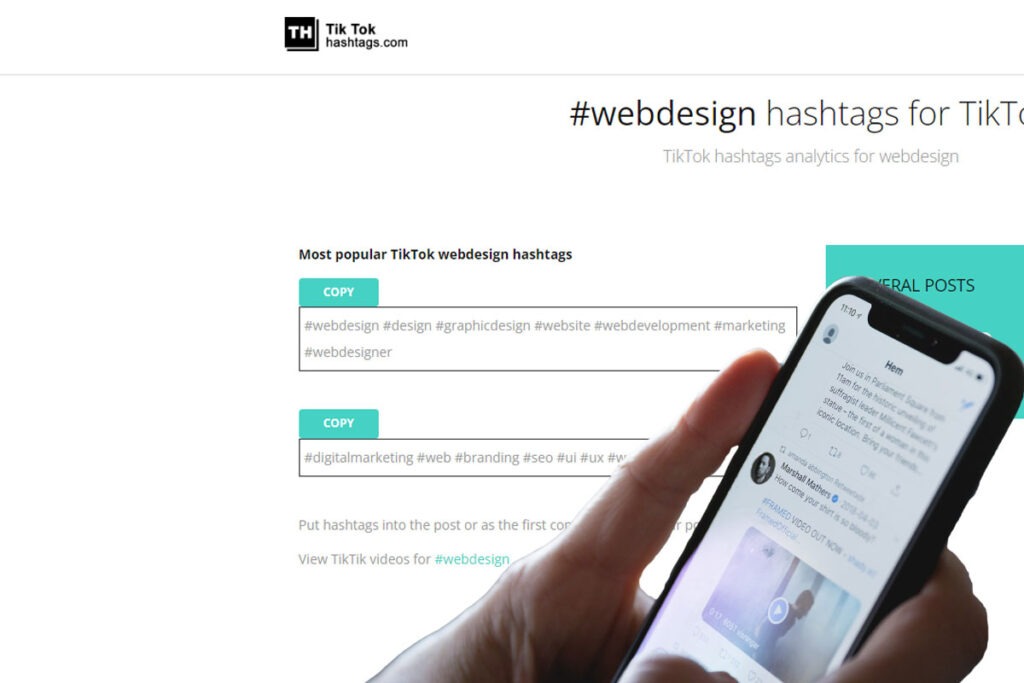
Use a small selection of hashtags that accurately describe the content. Avoid filling captions with unrelated popular tags.
Treat hashtags as supporting information. They cannot compensate for a video that is confusing or aimed at the wrong audience.
6. Choose Music Suitable for Business Use
A popular sound is not automatically cleared for promotional use.
TikTok provides a Commercial Music Library for business content. Check the permitted use of the track you select, especially if you plan to advertise with the video or publish it elsewhere.
For an explanation or customer question, your own recorded voice may be all you need. Music should support the message rather than make it harder to hear.
7. Set a Schedule You Can Maintain
Start with a manageable schedule—for example, two useful videos a week for a month. Treat that as a working plan, not a rule about what the platform requires.
Keep a running list of ideas and, where practical, record several videos in one session.
Leave time to respond to relevant comments. A question under one video may reveal what your next video should explain.
Before recording, get permission from anyone involved and check the background for customer information, documents, computer screens, or other details that should remain private.
Should You Try TikTok Ads?
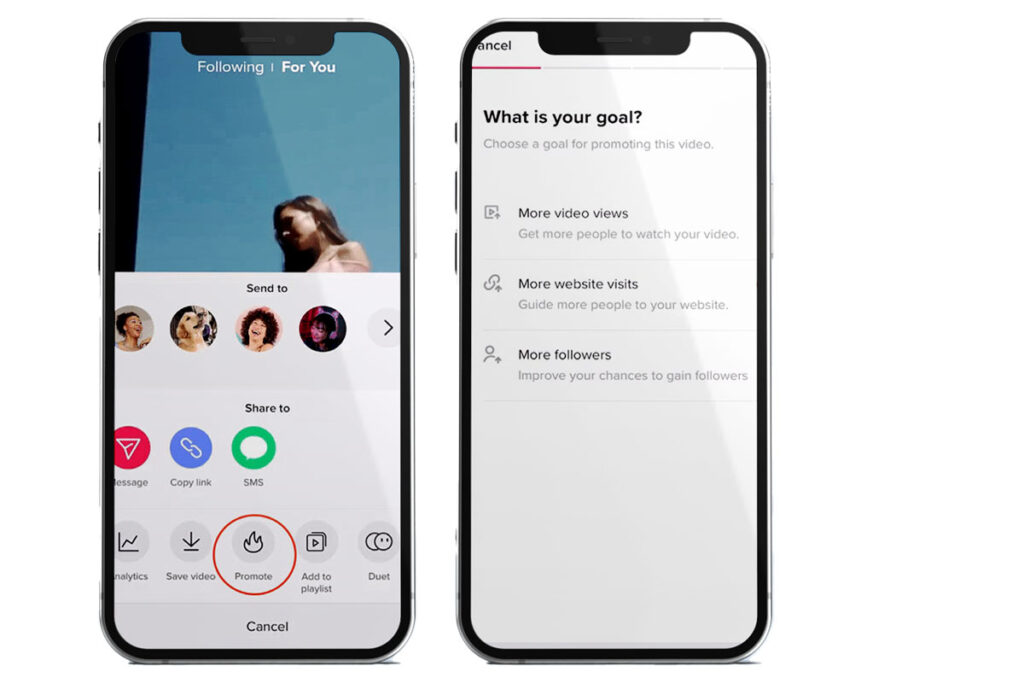
Paid advertising may be worth testing when you have a clear offer, a relevant audience, and somewhere useful to send viewers.
It is not automatically inexpensive, and paying to promote a video does not guarantee enquiries.
Before starting, define the result you want and the amount you can afford to spend learning. Check the targeting options available for your intended audience and make sure your landing page matches the advertisement.
Test different messages or videos systematically. TikTok’s own advertising guidance recommends setting clear goals, changing one variable at a time, and measuring results against the campaign objective.
How to Tell Whether TikTok Is Working
Review performance against your original goal.
Views can help you understand exposure, while comments may reveal questions or interest. Neither tells the whole story.
Depending on your objective, also look at:
- Visits to your profile or website.
- Relevant questions from potential customers.
- Quote requests or bookings.
- Purchases you can reasonably connect to your activity.
- Time and money spent creating the content.
Use tracked website links where practical and ask new customers how they heard about you. Attribution will not always be exact, but these steps can help you make a more informed decision.
Common Mistakes to Avoid
Copying trends without a business purpose. A trend is useful only when it fits your audience, message, and brand.
Turning every post into a sales pitch. Show the work, explain a decision, or answer a question before asking for an enquiry.
Measuring success only through views. A widely watched video may bring little business value if it reaches people you cannot serve.
Making claims you cannot support. Use genuine examples and accurate descriptions. Clearly label demonstrations or illustrative footage.
Giving viewers nowhere useful to go. Keep your profile information current and make the next step easy to understand.
Start With Something Your Customers Want to Know
TikTok is worth exploring when it fits your customers, your business, and the time you can commit.
Begin with one real question. Record a clear answer, show something useful, and pay attention to the response. Build from what you learn rather than trying to produce a viral video.
IF Media Inc. provides video production for businesses and organizations in Medicine Hat and across Alberta. If you need help turning your services, projects, or expertise into clear video content, contact our team to discuss your next project.



0 Comments