
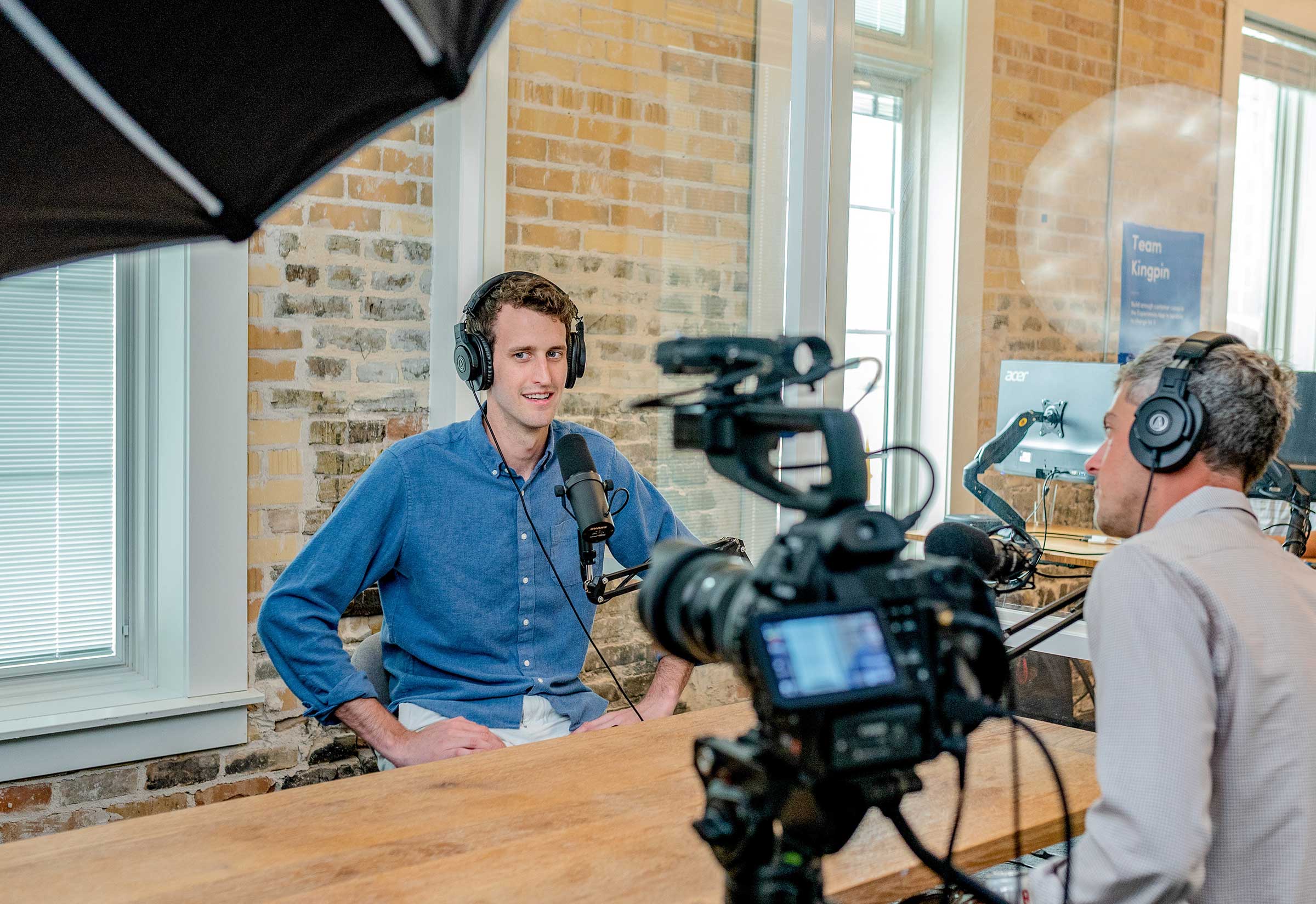
Before someone contacts your business, they usually want to know a few things: Can you do the work? Do you understand what they need? And can they trust you?
Your website can answer those questions through clear descriptions, photographs, and customer reviews. Video adds another layer. It lets people see your work, hear from your team, and get a sense of what doing business with you would feel like.
For a small business, that could mean showing how you complete a project, explaining a service, or answering a question customers ask every week.
Video marketing does not guarantee more sales. But with a clear purpose and the right audience, it can help turn interest into enquiries. Here are six ways to put it to work.
1. Show Customers What Makes Your Business Different
Many businesses describe themselves using the same words: experienced, reliable, professional. Those qualities matter, but customers need something concrete to help them choose.
Video gives you a way to show the details behind those claims.
A cleaning company could demonstrate the checks its team completes before leaving a commercial property. A contractor could explain how they prepare a job site. A local retailer could introduce the person who helps customers choose the right product.
These details tell a more useful story than a general promotional message. They show how you work and what customers can expect.
Start with a simple question: What would someone understand about our business if they could spend ten minutes with our team? That is often the starting point for a strong video.
2. Build Trust Before the First Conversation
Hiring a service provider can feel uncertain, especially when the work involves a customer’s property, budget, or reputation.
A video cannot remove every concern, but it can give people a clearer picture of your business before they get in touch.
Useful trust-building videos include:
- A brief introduction from the owner or team.
- A walkthrough of your process.
- A completed project with an explanation of the work.
- A customer describing their experience in their own words.
For testimonial videos, ask specific questions rather than supplying a script. What problem did the customer need to solve? What was the experience like? What changed after the work was completed?
Get permission before filming or publishing customers, employees, or private locations. A credible story should also respect the people involved.
3. Make Your Services Easier to Understand
You know your business inside out. A potential customer may be learning about your service for the first time.
They might not understand what is included, how the process works, or why one approach costs more than another. Video can make those explanations easier to follow.
For example, a commercial cleaning business could walk viewers through what happens during an initial site assessment. A web designer could explain what a client needs to prepare before a website project begins.
Keep each video focused on one question. Trying to explain your entire business in a single recording usually makes the message harder to follow.
A useful place to start is your inbox. Look for questions you answer repeatedly and turn each one into a short explanation. Those videos can support your website, social media, and conversations with prospective customers.
4. Support Your Search Visibility
A helpful video can give people another way to discover and understand your business. However, adding a video to a page does not automatically improve its Google ranking.
Google provides specific guidance for helping it discover and understand video content. Eligibility for video search results also depends on how the video is presented and whether the page meets its requirements.
For a small business, start with the basics:
- Choose a topic your customers actually search for.
- Write a clear title that describes the video.
- Add useful written information alongside the video.
- Include accurate captions and, where helpful, a transcript.
- Use a relevant thumbnail.
- Check that the video works properly on mobile devices.
A video about “what to expect during a commercial cleaning assessment” has a clear purpose. A vaguely titled company montage gives viewers much less information.
Treat video as part of a useful website page. Keep the service details, location information, and next step easy to find.
5. Get More Value From One Filming Session
Creating regular content can be difficult when you are also running the business. Planning a filming session around several specific needs can make that time more productive.
For example, one session might capture:
- An introduction for your website.
- Answers to three common customer questions.
- Footage of your team at work.
- A short explanation of a recent project.
That material can become several pieces of content, each with its own purpose.
Plan where the videos will appear before filming. A vertical social media clip needs different framing from a wide video on your website. Captions, readable text, and clear audio also deserve attention from the start.
Some topics work well as a simple phone recording. Others benefit from professional lighting, sound, editing, and direction. Match the production effort to the job the video needs to do.
6. Give Interested Viewers a Clear Next Step
A video can attract attention without producing a single enquiry. Sometimes the missing piece is a clear next step.
Decide what you want the viewer to do before you write or film anything.
A service introduction might invite someone to request a quote. A project video might lead to a relevant service page. An educational video might encourage viewers to read a more detailed guide.
Keep the invitation specific and connected to the content. After explaining your commercial cleaning assessment, for example, invite the viewer to book an assessment rather than ending with a broad “follow us for more.”
Then measure results against that goal. Views can help you understand reach, but website visits, relevant enquiries, and booked consultations may tell you more about the video’s business value. Where possible, use tracked links and ask new customers how they found you.
Where Should Your Business Start?
Choose one service, one audience, and one question.
If customers regularly ask how your process works, explain it. If your work is difficult to describe, show it. If people want reassurance before hiring you, introduce the team and walk them through what to expect.
You do not need to begin with a large video library. Start with something useful, put it where customers will see it, and use what you learn to plan the next piece.
IF Media Inc. provides video production for businesses and organizations in Medicine Hat and across Alberta. If you have a service, project, or business story you want to communicate more clearly, contact our team to discuss your video.



0 Comments